


Held in the Prof. Dr. Suhadji Hadibroto Auditorium of the Faculty of Economics and Business (FEB), the GRS socialization process was technically carried out in collaboration with USU's Research Institute, led by Prof. Dr. Robert Sibarani, MS. In his opening speech, Robert Sibarani expressed hope that in 2024, USU could secure significant funding through GRS from BPDPKS.
Prof. Himsar Ambarita, Director of the Directorate of Internationalization and Global Partnerships at USU, shared similar expectations. "USU researchers are also expected to work hard to secure Grant Research on Palm Oil from BPDPKS," said Himsar. Moreover, he added that USU has been attracting increasing interest from foreign students to study at the renowned campus on Sumatra Island. He is confident that the palm oil research conducted by USU researchers, funded by BPDPKS, could serve as a gateway for international students to gain accurate information about palm oil.
Demonstrating Commitment
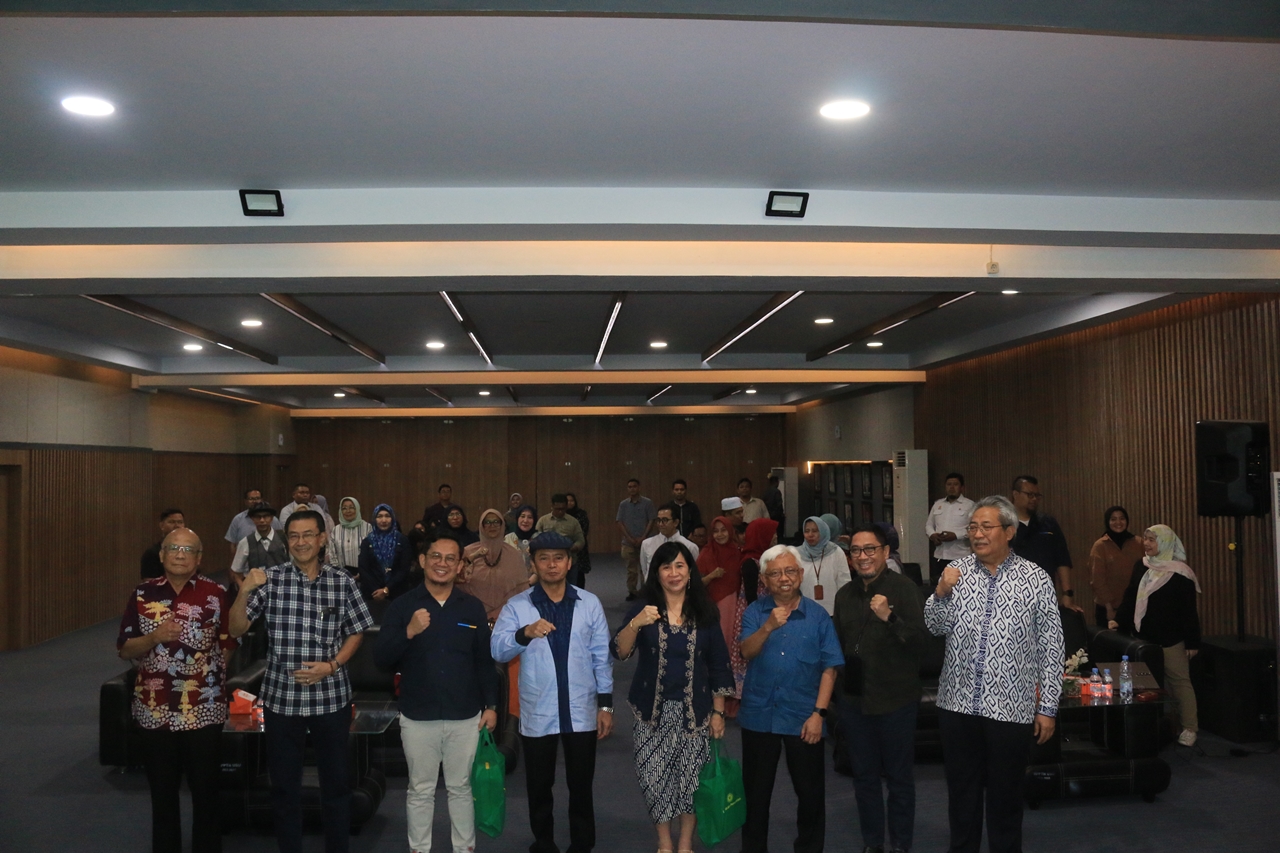
BPDPKS showcased its commitment to the socialization event at USU by involving competent officials and figures, such as Sultan Muhamad Yusa, SE, MB, as a Senior Analyst and Arfie Thahar, Head of the Program Services Division. Also present were several research and development (R&D) team members, including Prof. (Research) Didiek Hadjar Goenadi, Prof. Dr. Bustanul Arifin, and Prof. Tatang Hernas Soerawidjaja, who serve as members of the BPDPKS R&D Committee. Additionally, Aiyen Tjoa, a BPDPKS Research and Development Committee member and an academic from the Faculty of Agriculture at Universitas Tadulako, Central Sulawesi, participated in the event.
During the event, Aiyen provided extensive insights into the strategies and topics suitable for palm oil research, particularly for USU academics and other universities in Medan that aim to secure BPDPKS GRS funding. Aiyen emphasized that BPDPKS does not set specific targets for the number of proposals to be accepted or the amount of GRS funding to be allocated. "It's not about quotas, ladies and gentlemen, but rather the feasibility and scientific merit of the research proposals submitted to us," Aiyen explained. She added that the research funded by BPDPKS GRS must benefit palm oil stakeholders, including communities (particularly palm oil farmers), palm oil companies, the government, and the palm oil downstream industry.
Meanwhile, Arfie Thahar emphasized that BPDPKS also carries out assignments from nine ministries, including research through the GRS program. According to him, all assignments must have direct and indirect impacts and focus on industrial development. He stated that BPDPKS funding for research is one of the efforts to avoid the "valley of death" in technology and innovation. "The 'valley of death' refers to the gap that arises when there is no funding for palm oil-related research, including downstream product technology, which could sever the connection between industry and research," Arfie explained.
A Dynamic Event
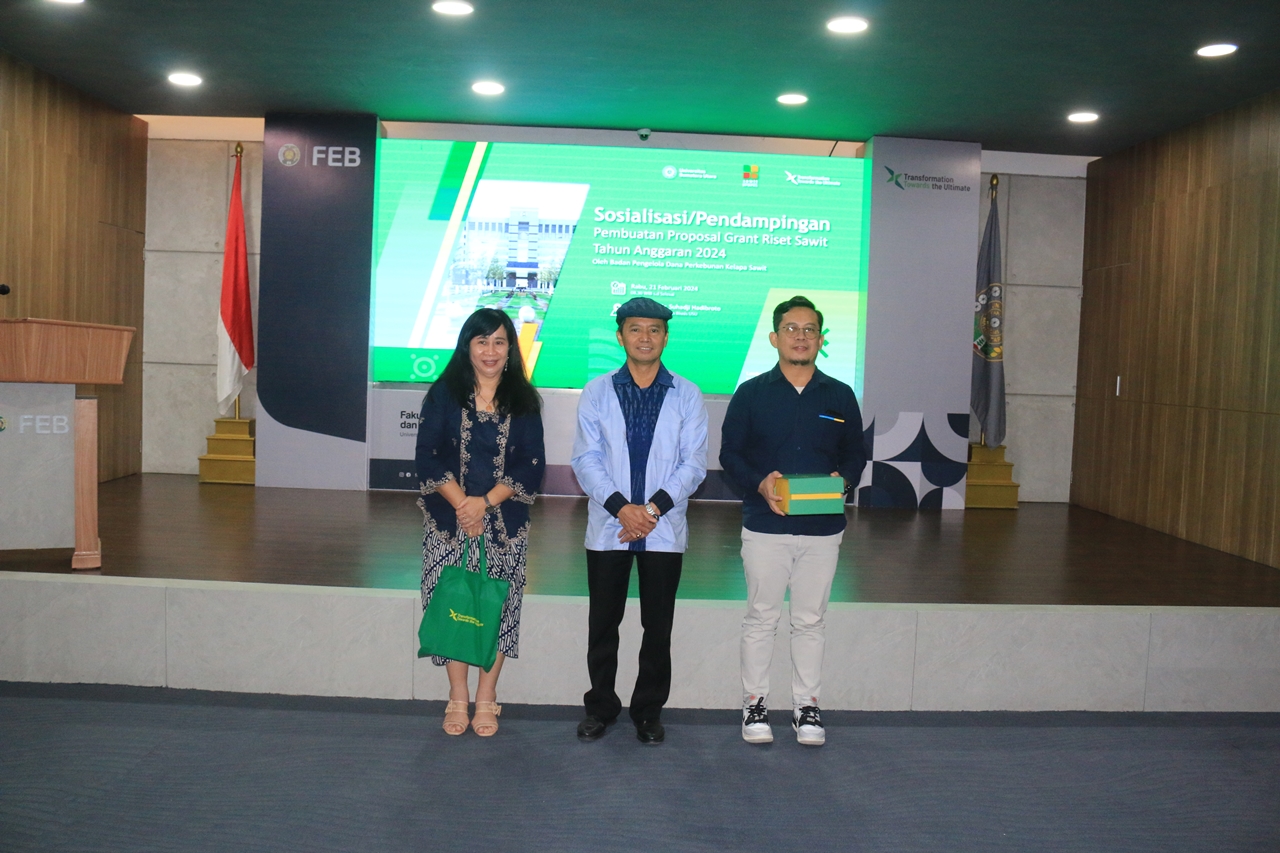
The event was dynamic, with students and academics from USU and various other universities raising many critical questions about the topics and implementation of BPDPKS GRS.